Your body produces its own cannabinoids. That fact surprises most people. The endocannabinoid system (ECS) is a biological network that regulates mood, sleep, appetite, and pain sensation. When you consume cannabis compounds from hemp or marijuana, they interact with this system. Over 100 cannabinoids have been identified in cannabis, and this cannabinoids explained guide shows how they interact with the body’s ECS, covering the key types and their roles in wellness.
What Are Cannabinoids?
Cannabinoids are chemical compounds found in the cannabis plant. Scientists have identified more than 100 distinct cannabinoid types, each with unique properties. The two most famous are THC (tetrahydrocannabinol) and CBD (cannabidiol). However, others like THCa, CBG, and CBN are gaining attention for their potential cannabinoid benefits.
These compounds belong to a class of molecules called phytocannabinoids (plant-derived). They mimic the endocannabinoids your body naturally produces. Cannabinoid science is complex, but the core mechanism is straightforward: cannabinoids bind to receptors in your nervous system to produce effects.
Hemp-derived THCa, like the products we sell at Kache Hemp, is a non-psychoactive cannabinoid until heated. When you smoke or vaporize THCa flower, it converts to delta-9 THC, delivering the familiar psychoactive experience within legal limits. This conversion is why THCa has become a popular legal alternative to delta-9 THC in states with restrictions.
Cannabinoids Explained: How They Work
Understanding how cannabinoids work starts with the endocannabinoid system. This system includes two main types of cannabinoid receptors: CB1 and CB2. CB1 receptors are concentrated in the brain and central nervous system, influencing mood, memory, and coordination. CB2 receptors are found in immune cells and peripheral tissues, affecting inflammation and pain.
When you consume cannabis, phytocannabinoids interact with these receptors. THC binds strongly to CB1 receptors, producing a psychoactive effect. CBD has a weaker binding affinity but influences the system indirectly, often modulating THC’s effects. This interaction is the foundation of cannabinoid effects on the human body.
The ECS itself works to maintain homeostasis. Your body produces endocannabinoids like anandamide and 2-AG on demand. Plant cannabinoids can supplement this system, which is why many people turn to premium THCa products for relief from anxiety, pain, or sleep issues. A 2020 review in Cannabis and Cannabinoid Research noted that ECS modulation is a promising target for treating chronic pain and mood disorders.
Major Cannabinoid Types and Their Effects
Different cannabinoid types produce different results. Below is a comparison of the most common ones.
| Cannabinoid | Psychoactive? | Primary Effects | Common Sources |
|---|---|---|---|
| THC (delta-9) | Yes | Euphoria, altered perception, pain relief | Marijuana, heated THCa |
| THCa | No (until heated) | Anti-inflammatory, neuroprotective | Raw hemp flower, concentrates |
| CBD | No | Anxiety reduction, anti-inflammatory, seizure control | Hemp oil, isolates, full-spectrum products |
| CBG | No | Antibacterial, glaucoma relief | Young hemp plants, minor cannabinoid extracts |
| CBN | Mild | Sedation, appetite stimulation | Aged cannabis, degraded THC |
The cbd vs thc distinction is crucial for consumers. CBD offers therapeutic benefits without intoxication, while THC provides psychoactive effects. Many users prefer full-spectrum products that include both, as the compounds work synergistically. This interplay is known as the entourage effect, where the sum of cannabinoids is greater than any single one. For example, a 2018 study from the Lautenberg Center for General Tumor Immunology found that full-spectrum extracts showed higher anti-inflammatory activity than CBD isolates alone.
Medical Cannabinoids and Therapeutic Potential
Medical cannabinoids have shown promise for a variety of conditions. Chronic pain, multiple sclerosis, chemotherapy-induced nausea, and epilepsy are among the most researched areas. The FDA has approved CBD-based drugs like Epidiolex for rare seizure disorders. Meanwhile, THCa is being studied for its anti-inflammatory and neuroprotective properties. A 2019 study in Pharmacology & Therapeutics highlighted THCa’s potential to inhibit inflammatory pathways without psychotropic side effects.
Cannabinoid benefits extend beyond symptom management. Some research indicates cannabinoids may help with anxiety, PTSD, and sleep disorders. However, individual responses vary. The dose, method of consumption, and the ratio of cannabinoids all influence outcomes. A 2021 survey of over 2,000 CBD users found that 67% reported improved sleep and 54% reduced anxiety after regular use.
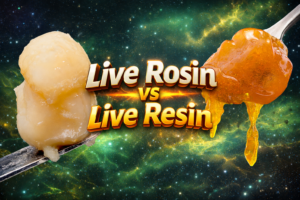
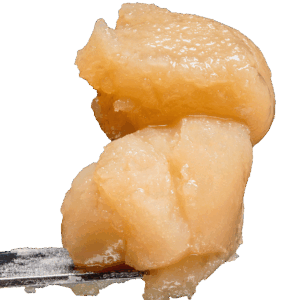
For those interested in precise dosing and potent effects, concentrates like THCa diamonds offer high purity. These crystalline structures contain over 90% THCa, providing a clean, potent experience when vaporized. Alternatively, live rosin vs live resin is a common comparison for users seeking solventless or full-spectrum extracts. Live rosin preserves more terpenes because it uses heat and pressure instead of chemical solvents, resulting in a more flavorful vapor.
Consult a healthcare professional before using cannabinoids for medical purposes. Research is still evolving, and regulatory oversight varies by state and country. Many clinicians now recommend starting with low doses of CBD or CBG before trying THC-containing products.
How Cannabinoids Work Together: The Entourage Effect
The entourage effect describes how multiple cannabis compounds amplify each other’s effects. THC alone produces less nuanced results than THC combined with CBD, terpenes, and other cannabinoids. For example, CBD can temper THC’s anxiety-inducing properties while enhancing its pain relief. A 2015 preclinical study showed that a CBD-THC combination reduced neuropathic pain more effectively than either compound alone.
This synergy is why full-spectrum and broad-spectrum products are popular among experienced users. They contain a range of cannabinoid types and terpenes, rather than isolating a single compound. At Kache Hemp, we prioritize solventless extraction methods to preserve this natural profile.
Terpenes, while not cannabinoids, also interact with the ECS. Myrcene promotes relaxation, limonene uplifts mood, and pinene improves focus. Together, they create the distinct aroma and effect profile of each cannabis strain. The combination of a dominant terpene like myrcene with THC is often linked to the “couch-lock” sensation in indica strains.
Choosing the Right THCa Products for Your Needs
With so many options, selecting the right product can feel overwhelming. Start by identifying your goal. Do you want a fast-acting effect for anxiety? A vape cartridge or pre-roll might work best. Seeking long-lasting relief from pain? Edibles or tinctures could be better. Edibles pass through the liver, converting THCa into a more potent form that lasts several hours.
For connoisseurs who value purity and flavor, solventless concentrates like live rosin and hash rosin are top-tier. They retain more terpenes than solvent-based extracts, delivering a richer experience. Beginners may prefer choosing THCa products based on THC percentage and consumption method. A low-THCa flower (10–15%) is a good starting point for new users.
Always verify third-party lab reports. These confirm potency and ensure the product is free of contaminants like pesticides, heavy metals, and residual solvents. Kache Hemp provides full lab results for every batch, so you know exactly what you are consuming. Look for a certificate of analysis (COA) that lists cannabinoid percentages and tests for safety parameters.
Frequently Asked Questions
What are cannabinoids?
Cannabinoids are active chemical compounds found in the cannabis plant. They interact with the body’s endocannabinoid system to produce various effects, from euphoria to pain relief. Over 100 different cannabinoids have been identified, each with unique properties. The three main categories are endocannabinoids (produced internally), phytocannabinoids (from plants), and synthetic cannabinoids (lab-made).
How do cannabinoids work in the body?
Cannabinoids work by binding to cannabinoid receptors (CB1 and CB2) in the endocannabinoid system. This system regulates functions like mood, appetite, sleep, and immune response. Some cannabinoids mimic naturally produced endocannabinoids, while others modulate the system indirectly. CBD, for example, blocks the enzyme that breaks down anandamide, increasing its levels.
What is the main difference between CBD and THC?
The key difference between CBD and THC is psychoactivity. THC binds strongly to CB1 receptors in the brain, causing a high. CBD does not produce intoxication; it influences the ECS indirectly and can reduce anxiety or inflammation. Both offer therapeutic benefits but affect the body differently. CBD also has a higher safety margin and does not cause impairment.
Are cannabinoids legal?
Legality depends on the source and local laws. Hemp-derived cannabinoids containing less than 0.3% delta-9 THC are federally legal in the United States under the 2018 Farm Bill. THCa is considered legal in this context until heated. State laws vary, so check your jurisdiction before purchasing. Some states have imposed total THC limits that include THCa.
What are the potential benefits of cannabinoids?
Cannabinoid benefits include pain management, anxiety reduction, improved sleep, and anti-inflammatory effects. Research also shows promise for epilepsy, nausea, and neurodegenerative conditions. Individual results depend on dosage, cannabinoid profile, and the user’s physiology. For chronic conditions, consistent daily dosing often yields better results than occasional use.
Can you overdose on cannabinoids?
No fatal overdose from cannabis alone has been recorded. However, high doses of THC can cause temporary anxiety, paranoia, nausea, or disorientation. CBD is well-tolerated even in gram-level doses. Always start low and go slow when trying a new product.
What is the entourage effect?
The entourage effect is the synergistic action of multiple cannabinoids and terpenes working together. This combination often produces a stronger and more balanced effect than isolated compounds. Full-spectrum products are designed to maximize the entourage effect.