If you have browsed hemp shops recently, you have likely seen “THCa flower” listed alongside traditional CBD strains. The name raises an obvious question: is this just regular weed sold under a different label? What is THCa flower? Finding the answer requires looking at chemistry and federal law. THCa (tetrahydrocannabinolic acid) is the non‑psychoactive precursor to THC that naturally occurs in raw cannabis plants. When you heat it, a process called thca decarboxylation converts it into the delta‑9 THC that produces the familiar effects. Because of a legal loophole in the 2018 Farm Bill, thca hemp flower can be sold as long as its delta‑9 THC content stays below 0.3% by dry weight. This means you can purchase high‑potency flower online and have it shipped to your door in most states.
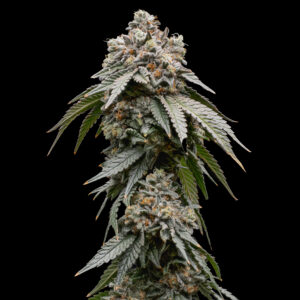
THCa flower is not a synthetic product. It is real cannabis from hemp plants that have been bred to express high levels of THCa. When you heat it, the THCa activates into THC, delivering an experience nearly identical to traditional marijuana. The key difference lies in how the plant is classified. Hemp is defined by its low delta‑9 THC content, not by its THCa content. This distinction has opened a legal avenue for consumers who want potent flower without visiting a dispensary.
What Is THCa Flower vs THC: What Sets Them Apart
Many people assume THCa and THC are the same molecule, but the difference is significant. THCa contains an extra carboxylic acid group that prevents it from binding to the brain’s CB1 receptors. That is why eating raw cannabis flower will not get you high. When you apply heat through smoking, vaping, or cooking, the acid group cleaves off, turning THCa into delta‑9 THC. This process is called decarboxylation.
Thca vs thc is therefore a story of before and after. In its raw state, THCa offers potential therapeutic benefits without intoxication. Some users report anti‑inflammatory and neuroprotective properties from raw cannabis. Once decarboxylated, it becomes the psychoactive compound most people associate with cannabis. When you buy THCa hemp flower, the lab reports show a THCa percentage often exceeding 20%. After decarboxylation, that material will contain roughly that same percentage of delta‑9 THC. For experienced consumers, this offers a legal alternative to state‑licensed dispensaries.
THCa flower also differs from CBD‑dominant hemp strains. While CBD flower is popular for relaxation without a high, THCa flower can produce the full psychoactive experience that many users seek. The effects depend on the strain’s terpene profile and the total cannabinoid content. Indica‑dominant THCa strains may provide deep body relaxation, while sativa varieties can be uplifting and energetic.
THCa Legality: How Is This Legal?
The 2018 Farm Bill legalized hemp and its derivatives as long as they contain no more than 0.3% delta‑9 THC by dry weight. Since THCa is not delta‑9 THC, hemp flower with high THCa levels falls within this definition. States have responded differently. Some have banned THCa flower explicitly, while others follow the federal standard. Thca legality varies by location, so always check your state’s laws before ordering.
For most residents of states without strict cannabis bans, THCa flower is legally shippable. Kache Hemp sells only compliant products that undergo third‑party lab testing to confirm delta‑9 THC stays under the legal limit. The flower is grown from hemp genetics, farmed under USDA‑compliant practices, and tested at accredited laboratories. Each batch comes with a certificate of analysis showing cannabinoid potency, terpene profile, and the absence of contaminants like pesticides, heavy metals, and molds.
The legal landscape continues to evolve. Some states have moved to regulate THCa as a controlled substance, while others treat it like any other hemp product. Before buying, familiarize yourself with the laws in your area. If you live in a state with legal adult‑use cannabis, THCa flower is effectively the same product but often more affordable because it bypasses state taxes and licensing fees associated with dispensaries.
THCa Effects: What to Expect
Thca effects depend entirely on how you consume the flower. Raw flower produces no intoxication, but many users juice it or add it to smoothies for a nutrient‑dense boost. Raw cannabis contains THCa, CBGa, and other precursor cannabinoids that may support overall wellness. When you decarboxylate the flower, the effects mirror those of traditional THC strains.
Common reports include:
– Euphoria and mood elevation
– Increased appetite
– Relaxation and stress relief
– Enhanced sensory perception
– Creativity and focus (in some sativa strains)
– Sedation (in heavier indica strains)
The intensity correlates with the THCa percentage and your personal tolerance. A 20%+ THCa flower smoked or vaporized can produce effects comparable to high‑grade dispensary flower. New users should start with a small amount and wait at least 15 minutes before consuming more. Because THCa flower is unregulated in some senses, the potency can vary between vendors. Reputable brands like Kache Hemp provide accurate lab results so you know exactly what you are getting.
How to Use THCa Flower
There are multiple how to use thca flower methods, each with distinct benefits. The most common are:
Smoking
Roll a joint, pack a bowl, or use a pipe. Combustion instantly decarboxylates the THCa, giving you immediate effects. The taste comes from the terpenes, which are preserved in properly cured flower.
Vaporizing
Thca vaporizing heats the flower to a temperature that decarboxylates the THCa without burning the plant material. This preserves more terpenes and produces a smoother vapor. Vaping is popular among users who want a cleaner experience and greater flavor control.
Edibles and Tinctures
You can decarboxylate THCa flower in the oven at 230°F for 30–40 minutes, then infuse it into butter, oil, or alcohol. This makes a base for homemade edibles. Alternatively, you can make a thca tincture by soaking decarboxylated flower in high‑proof alcohol or MCT oil. Tinctures offer sublingual dosing, which produces effects faster than edibles but longer‑lasting than inhalation.
Raw Consumption
Juicing or blending raw THCa flower into smoothies gives you the benefits of the cannabinoid without psychoactive effects. Fans of raw cannabis claim it supports inflammation and digestion. The taste is grassy, so you will want to mix it with fruit or other flavors.
THCa Benefits: Why People Choose It
The thca benefits appeal to both recreational and wellness‑focused users. As an acid, THCa shows promise in early research for reducing nausea, inhibiting inflammation, and acting as a neuroprotectant. It does not produce the high that some users prefer to avoid. People who want the therapeutic properties of cannabis without intoxication often seek raw THCa products.
For those who enjoy the psychoactive side, THCa flower provides a legal, convenient way to access high‑potency cannabis. It costs less than many dispensary products because it is classified as hemp. You can buy it online and have it shipped without a medical card. This makes it especially valuable for people living in states without legal adult‑use dispensaries.
Another advantage is the diversity of products. Beyond flower, you can find THCa concentrates, vape cartridges, gummies, and pre‑rolls. Brands like Kache Hemp offer solventless live rosin, which preserves the full terpene profile and delivers cleaner flavor than solvent‑based extracts.
Raw Cannabis Flower and Decarboxylation
Raw cannabis flower refers to unheated plant material that contains cannabinoids in their acidic forms. THCa is the dominant cannabinoid in most fresh or cured hemp. To unlock its psychoactive potential, you must decarboxylate it. The timing and temperature matter. Too low and the conversion will be incomplete; too high and you degrade the cannabinoids and terpenes.
For home use, spread the flower on a baking sheet and heat at 230°F for 30–40 minutes. You will notice a slight color change and a cooked aroma. After that, you can infuse the decarbed flower into oils or butter, or simply mix it into recipes. Many users choose to skip this step and vaporize or smoke the flower, as the heat from the device does the decarboxylation instantly.
How THCa Flower Is Grown
THCa hemp flower is cultivated from cannabis genetics that produce high levels of THCa but remain under the 0.3% delta‑9 THC threshold at harvest. This requires careful strain selection and controlled growing conditions. Indoor or light‑assist greenhouses give growers control over light cycles, temperature, and humidity, allowing them to maximize THCa expression while minimizing delta‑9 THC.
Kache Hemp grows its own THCa flower in‑house using sustainable practices. The plants are hand‑trimmed, slow‑cured, and stored in airtight containers to preserve terpenes and cannabinoids. The result is flower that smells, tastes, and performs like top‑shelf cannabis but complies with federal law.
Choosing the Right THCa Product
The market offers many options, from flower to concentrates to edibles. When selecting a product, consider your preferred consumption method, desired effects, and experience level. Flower is the most straightforward. Vapes offer convenience. Concentrates give experienced users a more potent punch.
For a beginner, start with a verified THCa flower from a trusted source. Check the lab reports for THCa percentage, delta‑9 THC amount, and terpene content. Avoid products with additives or artificial terpenes. The best experience comes from clean, full‑spectrum hemp that mirrors the plant’s natural chemistry.
If you want to explore different options, Kache Hemp’s how to choose the right thca products guide can help you match your preferences to the right strain and formulation.
Frequently Asked Questions
Does THCa flower show up on a drug test?
Yes. Drug tests screen for THC metabolites, not THCa specifically. When you heat THCa flower, it converts to THC, which breaks down into metabolites detectable in urine, blood, and hair tests. If you have a drug test coming up, avoid consuming any THCa products.
Can I buy THCa flower online?
Yes, THCa flower can be shipped to most states under federal law. Some states have restrictions, so verify your local laws before ordering. Kache Hemp ships nationwide with proper compliance documentation.
What is the difference between THCa and Delta‑8?
THCa is a precursor to delta‑9 THC, while delta‑8 is a different cannabinoid that is less psychoactive. THCa flower produces a more traditional high after decarboxylation. Delta‑8 is often extracted from CBD and is less abundant in nature.
How should I store THCa flower?
Keep it in an airtight glass jar away from light, heat, and humidity. Proper storage preserves potency, terpenes, and freshness. A cool, dark cabinet works well. Avoid plastic bags, which can degrade the flower and harbor static.
Is THCa flower safe to vape?
Yes, as long as you use a vaporizer designed for dry herb. Vaping at the right temperature produces smooth vapor without the harmful byproducts of combustion. Use quality flower with no pesticides or residual solvents. Lab‑tested products from reputable brands minimize risk.