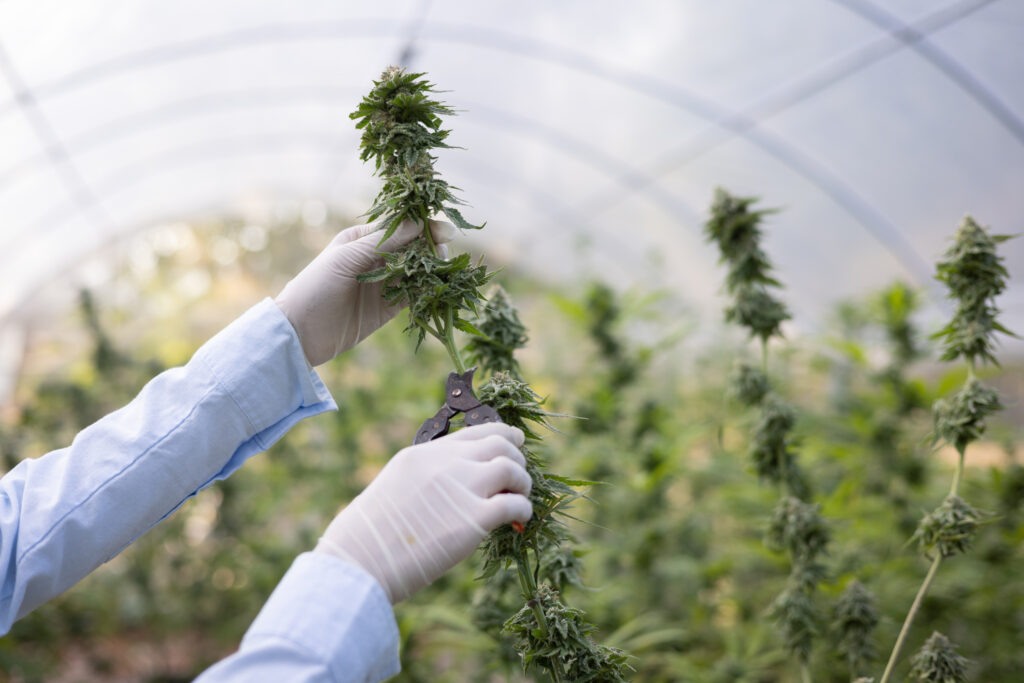
The Short Answer: Hemp is a variety of the cannabis sativa plant, grown for its fibers, seeds, and oil. It contains low levels of THC, the psychoactive compound found in marijuana, making it a non-psychoactive plant with a wide range of industrial, medicinal, and nutritional uses.
Hemp has been used for thousands of years for its versatility and is gaining popularity in industries like health and wellness, construction, and textiles. Thanks to the 2018 Farm Bill, which legalized industrial hemp in the United States, the plant has become a valuable resource for CBD oil, hemp protein, hemp seed oil, and other products. In this article, we’ll explore the differences between hemp and marijuana, the many uses of hemp, and how it benefits consumers and industries alike.
What Is Hemp?
Hemp is a type of cannabis sativa plant, cultivated for its durable fibers, nutritious seeds, and oil. Though it belongs to the same species as marijuana, hemp differs significantly in its THC content, the compound that causes marijuana’s psychoactive effects. Hemp contains less than 0.3% THC, meaning it doesn’t produce a high like its more well-known cousin. This key difference makes hemp suitable for a wide range of applications without the legal concerns associated with marijuana.
Hemp vs Marijuana: Key Differences
While both hemp and marijuana are part of the cannabis sativa family, there are some important differences:
- THC Content: Hemp contains less than 0.3% THC, whereas marijuana contains higher levels (up to 30%) of THC. This is the primary factor distinguishing the two.
- Legal Status: Hemp is federally legal in the United States, thanks to the 2018 Farm Bill, which legalized the cultivation of industrial hemp. Marijuana, however, is still classified as a controlled substance in many states and under federal law.
- Uses: Hemp is primarily used for its industrial, medicinal, and nutritional properties, while marijuana is most commonly used for recreational and medicinal purposes due to its THC content.
The Cannabis Sativa Plant: A Versatile Resource
The cannabis sativa plant is known for its versatility, with different varieties used for distinct purposes. Hemp is one of the most versatile types of cannabis, utilized for a range of applications including Industrial Uses, Medicinal Benefits, Nutritional Benefits, and Environmental Impact
Uses of Hemp
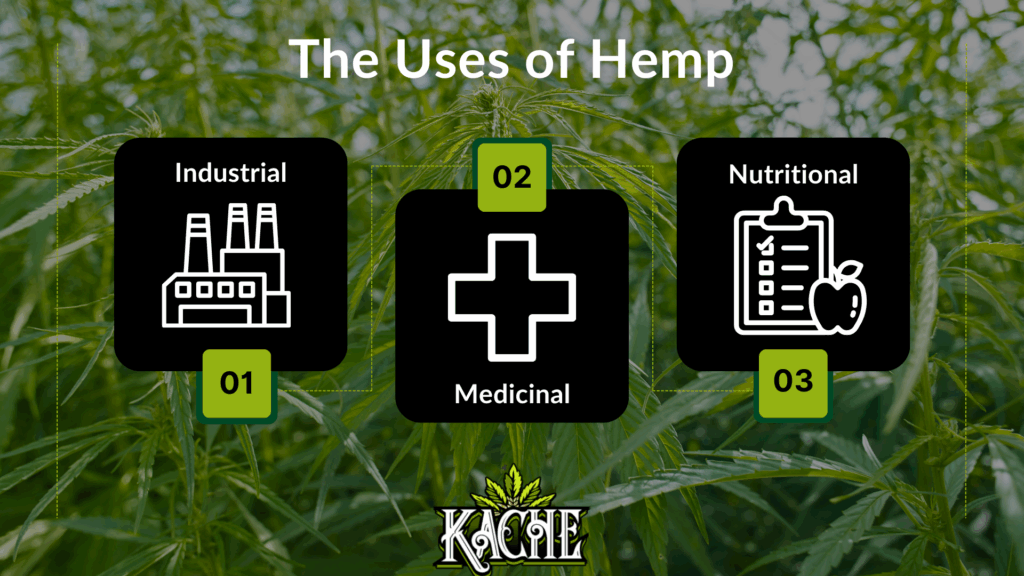
Hemp is a versatile plant with a wide range of applications, from industrial uses to medicinal and nutritional benefits. It’s used in products like construction materials, CBD oil, and nutritional supplements.
Industrial Uses of Hemp
Hemp has been used for industrial purposes for thousands of years, and its applications continue to grow. Some of the most common uses include:
- Textiles: Hemp fibers are known for their strength and durability, making them ideal for fabric production. Hemp textiles are used in clothing, upholstery, and even industrial fabrics like ropes and tarps.
- Construction Materials: Hemp is used to make hempcrete, an eco-friendly alternative to traditional concrete. Hemp fibers can also be found in insulation, fiberboard, and biodegradable plastics.
- Paper and Packaging: Hemp is a sustainable alternative to wood for paper production. Hemp fibers are stronger and more durable than wood pulp, and they can be recycled more times.
Medicinal and Nutritional Uses of Hemp
Hemp is also widely recognized for its medicinal and nutritional benefits, especially in the form of hemp-derived products like hemp protein and hemp seed oil. These products have gained popularity for their potential therapeutic effects:
- Hemp Seed Oil: Rich in essential fatty acids, hemp seed oil is commonly used in skincare products and as a dietary supplement. It has anti-inflammatory properties and can support heart health.
- Hemp Protein: As a plant-based protein, hemp protein is a valuable nutritional source for vegans and vegetarians. It contains all nine essential amino acids, making it a complete protein.
- Essential Fatty Acids: Hemp seeds are rich in omega-3 and omega-6 fatty acids, which are essential for brain health and reducing inflammation.
- Amino Acids: Hemp seeds contain all nine essential amino acids, which are important for muscle repair, immune function, and overall health.
CBD and THCa Applications
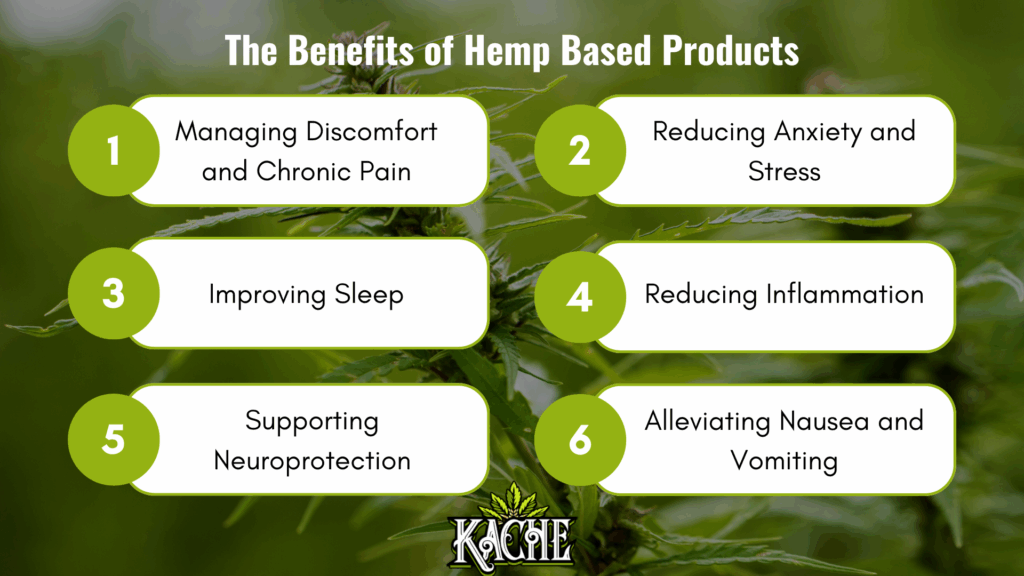
Both CBD and THCa are popular hemp-derived compounds, each offering distinct potential benefits for health and wellness.
What Is CBD?
CBD (Cannabidiol) is one of the most well-known compounds found in hemp. Unlike THC, which is psychoactive, CBD is non-psychoactive and has been widely studied for its potential therapeutic properties. It is often used as a natural remedy for managing issues like pain, anxiety, insomnia, and inflammation.
CBD works by interacting with the endocannabinoid system, which helps regulate functions such as mood, sleep, and immune response. Some common uses of CBD include:
- Managing pain: CBD is used by some individuals to relieve discomfort associated with conditions like arthritis, chronic pain, and muscle soreness.
- Reducing anxiety and stress: Many people use CBD to help with relaxation and reduce anxiety, especially in stressful situations.
- Improving sleep: Due to its calming properties, CBD is often used to help promote better sleep quality, particularly for those with insomnia.
What Is THCa?
THCa (Tetrahydrocannabinolic Acid) is a non-psychoactive precursor to THC, which becomes psychoactive when heated or decarboxylated (a process often used in cooking or vaping). THCa is found in raw cannabis plants, including hemp, and has recently been studied for its anti-inflammatory, neuroprotective, and anti-nausea effects.
Because THCa is not psychoactive, it doesn’t induce the “high” associated with THC. Some of the key potential benefits of THCa include:
- Reducing inflammation: THCa may help reduce inflammation, making it a useful option for individuals dealing with conditions like arthritis or inflammatory bowel disease.
- Supporting neuroprotection: THCa is thought to have neuroprotective properties, which could support cognitive health.
- Alleviating nausea: THCa has shown promise in helping reduce nausea and vomiting, particularly in individuals undergoing treatments like chemotherapy.
Safety and Considerations
While both CBD and THCa are considered safe for most people, it’s always important to approach their use with care. Here are a few considerations to keep in mind:
- Start with small doses: It’s a good idea to start with a small dose to gauge your body’s response to CBD or THCa. Effects can vary depending on the individual.
- Consult a healthcare provider: Before incorporating CBD or THCa into your routine, especially if you are on medication or have a pre-existing medical condition, it’s wise to consult with a healthcare provider.
- Look for lab-tested products: To ensure you’re getting quality products, choose CBD and THCa items that have been lab-tested for potency and purity.
The Legal Landscape of Hemp in the United States
The legality of hemp has changed significantly over the past few years, especially in the United States.
The Farm Bill and Legalization of Hemp
The 2018 Farm Bill was a landmark piece of legislation that legalized the production of industrial hemp in the U.S. This bill allowed farmers to legally grow hemp for commercial purposes, including the production of hemp-derived products like CBD oil, hemp fiber, and hemp seeds.
- THC Limits: The bill set specific limits on the THC concentration in hemp. Hemp is defined as cannabis sativa that contains less than 0.3% THC. Anything above that threshold is classified as marijuana, which is still illegal under federal law.
- State Regulations: While hemp is legal federally, states may have their own regulations regarding hemp cultivation, processing, and sales. Some states have embraced hemp production, while others have more restrictive rules.
- Hemp vs Marijuana: The bill also clarified the distinction between hemp and marijuana in the legal context, helping to ease confusion over their different legal statuses.
Considerations for Consumers and Producers
Even with the legalization of hemp, there are still some key legal considerations that consumers and producers must keep in mind:
- Quality Control: Products made from hemp, like CBD oil or hemp-derived THC, must meet certain federal guidelines. Producers should ensure their products are tested for quality, safety, and THC content to comply with regulations.
- Licensing and Permits: Producers who wish to cultivate or process hemp need to apply for licenses with their state’s agricultural department. This ensures compliance with both state and federal laws.
- Product Compliance: Consumers should verify that any hemp-derived products they purchase comply with legal standards, especially when buying CBD products. It’s recommended to choose products that are lab-tested and provide transparency in their labeling.
Hemp and Its Benefits
Hemp is a remarkably versatile plant with a wide array of industrial, medicinal, and nutritional applications. From sustainable construction materials to THCa products, hemp is proving to be a valuable resource across many industries. Whether used for health benefits, as a nutritional supplement, or for its environmental benefits, hemp continues to grow in popularity.
At Kache, we focus on providing high-quality hemp-derived products that are safe, effective, and compliant with current regulations. As hemp continues to gain legal and cultural traction, it’s essential to choose products from trusted sources that prioritize transparency, lab-testing, and safety.
Explore our selection of hemp-based products and discover how hemp can support your wellness journey in a safe and informed way.