The Short Answer: Hemp and weed are both cannabis plants, but they differ in one key area: delta-9 THC content. Hemp contains less than 0.3% delta-9 THC, the compound responsible for marijuana’s psychoactive effects. Marijuana typically contains much higher concentrations. This distinction determines how each plant is classified under federal law.
If you’ve browsed hemp-derived products like THCa flower or CBD oil, you may have wondered how they relate to traditional marijuana. The answer involves chemistry, federal regulation, and decades of selective plant breeding. In this guide, we’ll break down the real differences between hemp and weed.
Understanding Hemp & Marijuana
Despite their differences, hemp and marijuana are not actually separate species of plants. They both belong to Cannabis sativa L., the botanical classification for the cannabis plant. The differences between them come down to selective breeding and chemical composition, not genetics at the species level.
A History of Selective Breeding
For thousands of years, humans have cultivated cannabis for different purposes. Some plants were bred for their strong fibers used in rope, textiles, and paper. Others were bred for seed oil and nutritional value. These low-THC varieties became what we now call hemp. Meanwhile, other cultivators focused on plants with higher concentrations of psychoactive compounds, developing the marijuana strains used for recreational and medicinal purposes today.
Sativa, Indica, and Hybrids
While all cannabis falls under Cannabis sativa L., individual strains can express sativa, indica, or hybrid characteristics. These terms describe growth patterns, terpene profiles, and effects rather than species-level differences. Both hemp and marijuana plants can be bred into any of these strain types.
Same Look, Different Chemistry
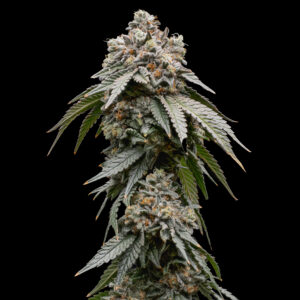
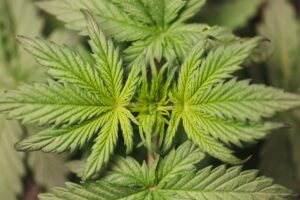
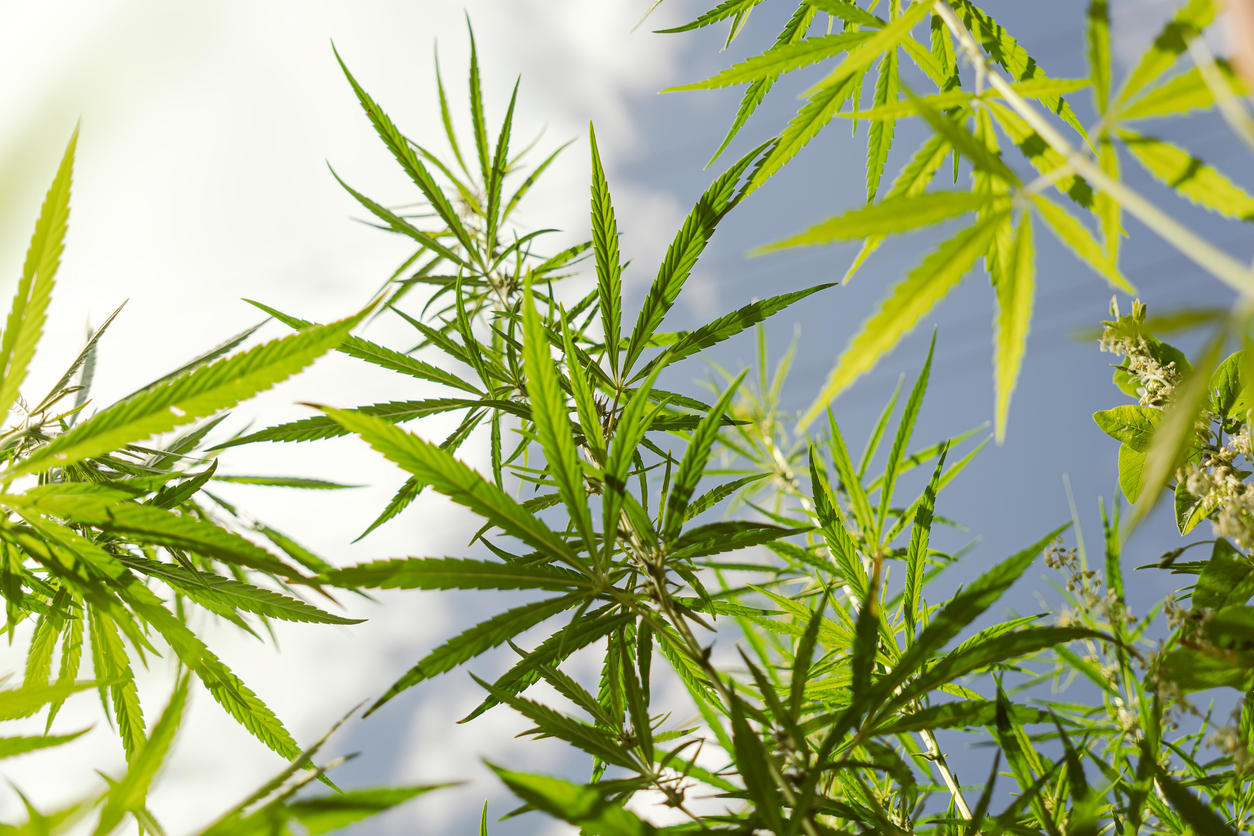
Visually, hemp and marijuana can look nearly identical. Both produce the iconic fan-shaped leaves and flowering buds. The real distinction lies in what’s inside the plant: its cannabinoid profile. Hemp plants are cultivated to produce minimal delta-9 THC while often containing higher levels of CBD or THCa. Marijuana plants are grown specifically for elevated THC content.
The Key Difference: THC Content
The defining factor that separates hemp from marijuana is delta-9 tetrahydrocannabinol, commonly known as THC. This cannabinoid is responsible for the psychoactive effects associated with marijuana use.
Delta-9 THC Explained
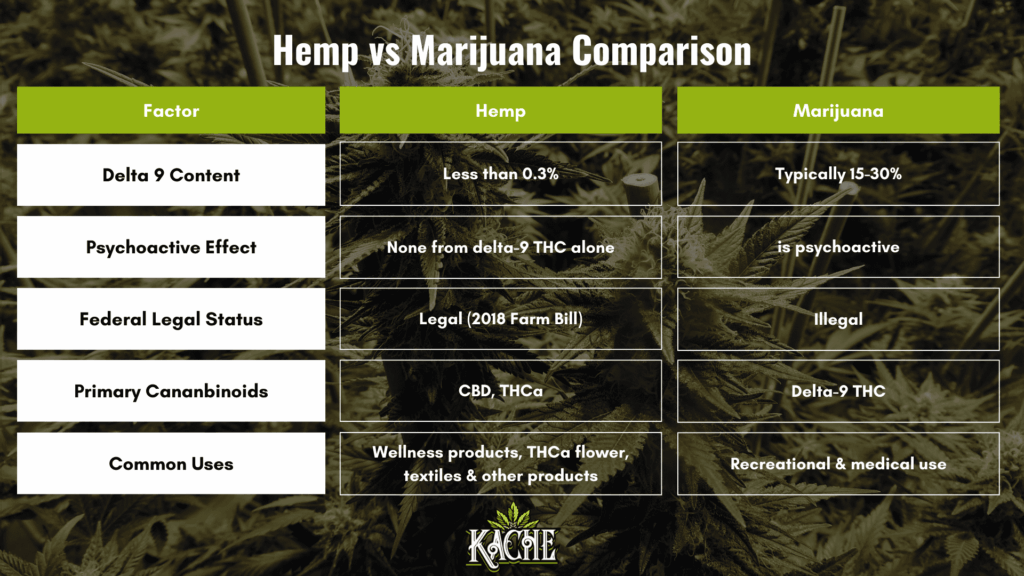
Under U.S. federal law, hemp is defined as cannabis containing less than 0.3% delta-9 THC by dry weight. Anything above that threshold is classified as marijuana. This legal boundary was established by the 2018 Farm Bill and remains the standard used by regulators today.
Marijuana plants are bred to maximize THC content, often reaching concentrations between 15% and 30%. These elevated levels produce the intoxicating “high” that recreational and medical marijuana users seek. Hemp, by contrast, stays well below the 0.3% limit for delta-9 THC.
How THC Interacts With Your Body
When consumed, delta-9 THC binds to cannabinoid receptors in your brain and nervous system. These receptors are part of the endocannabinoid system, which helps regulate mood, pain sensation, appetite, and other functions. The strength of THC’s effects depends largely on concentration. Low levels may produce little to no noticeable effect, while higher concentrations create more intense experiences. This THC threshold is why hemp-derived products can be sold legally across most of the United States, while marijuana remains restricted to licensed dispensaries in states with medical or recreational programs.
Hemp vs Marijuana: Quick Comparison
What About THCa?
If hemp contains so little delta-9 THC, how can hemp flower produce effects similar to marijuana? The answer lies in THCa.
THCa: The Raw Cannabinoid
THCa, or tetrahydrocannabinolic acid, is the naturally occurring precursor to THC found in raw cannabis plants. Both hemp and marijuana contain THCa in their unprocessed flower. In its raw form, THCa is non-psychoactive.
The key change happens with heat. When THCa is exposed to high temperatures through smoking, vaping, or cooking, it converts into delta-9 THC through a process called decarboxylation. This is why consuming heated cannabis produces psychoactive effects while eating raw flower does not.
How Hemp Can Deliver Strong Effects
Under current federal law, hemp is tested for delta-9 THC content, not THCa. This means hemp plants can contain high levels of THCa while remaining legally compliant, as long as the delta-9 THC stays below 0.3%.
When you smoke or vape THCa hemp flower, that THCa converts to THC upon heating. The result is an experience similar to traditional marijuana. This is why products like THCa flower and concentrates have become popular among consumers seeking potent effects from federally legal hemp.
For a deeper look at how to enjoy your hemp products, check out our guide on 4 Ways to Consume THCa Safely and Effectively.
Effects and Uses
Hemp and marijuana can produce different experiences depending on their cannabinoid profiles and how they’re consumed. Understanding these differences helps you choose the right product for your needs.
Hemp-Derived Products
Hemp serves as the source for a wide range of cannabis products. CBD oils and tinctures are a popular use for hemp in everyday wellness, offering relaxation without intoxication. For those seeking stronger effects, products like THCa flower, concentrates, and edibles provide an experience closer to traditional marijuana.
The main hemp products that Kache has available today include:
- Flower: Smokable buds high in THCa or CBD
- Concentrates: Potent extracts like live rosin and badder
- Vapes: Convenient cartridges and disposables
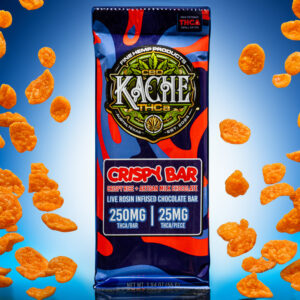
- Edibles: Gummies, chocolates, and other infused foods
Because hemp-derived products are federally legal, they can be purchased online and shipped to most states without visiting a dispensary.
Marijuana Products
Marijuana products contain higher concentrations of delta-9 THC, producing more immediate and intense psychoactive effects. These products are used for both recreational enjoyment and medical purposes, including pain relief and appetite stimulation.
However, marijuana remains federally illegal and is only available through licensed dispensaries in states with medical or recreational programs. Purchasing options are limited by location, and products cannot legally cross state lines.
Choosing What’s Right for You
Your choice between hemp and marijuana depends on your goals, legal access, and tolerance. For guidance on selecting the best hemp products, see our article on How to Choose the Right THCa Products.
Legal Status in the United States
Federal Law
The 2018 Farm Bill legalized hemp by removing it from the Controlled Substances Act. Cannabis containing less than 0.3% delta-9 THC can be cultivated, processed, and sold nationwide. Marijuana remains a Schedule I controlled substance, though enforcement has largely deferred to state-level policies.
State Laws
While hemp is federally legal, some states have enacted their own restrictions on certain hemp-derived cannabinoids. Marijuana laws vary widely, with most states permitting medical use and roughly half allowing recreational use for adults. Always check your state’s specific regulations before purchasing.
For more on hemp regulations, visit our article on What to Know About Hemp: Use, Legality, and How It Compares to Marijuana.
Find Quality Hemp Products at Kache
Hemp and marijuana come from the same plant, but their differences matter. The 0.3% delta-9 THC threshold separates legal hemp from restricted marijuana, while THCa gives hemp the ability to deliver potent effects when heated. Whether you’re exploring cannabis for the first time or looking for a legal alternative to dispensary products, hemp offers accessible options.
At Kache, we provide lab-tested THCa flower, concentrates, edibles, and vapes. Every product meets federal compliance standards and undergoes third-party testing for quality and potency. Browse our full collection or view our lab results to shop with confidence.